Creating a home office that feels cozy and inviting is essential for maintaining focus and enjoying your workday. Whether you work remotely, run a side hustle, or simply need a dedicated space for projects, designing a comfortable and functional workspace can make all the difference. Here are some practical tips to help you transform any room or corner into a home office oasis.
Choose the Right Location
Consider Natural Light
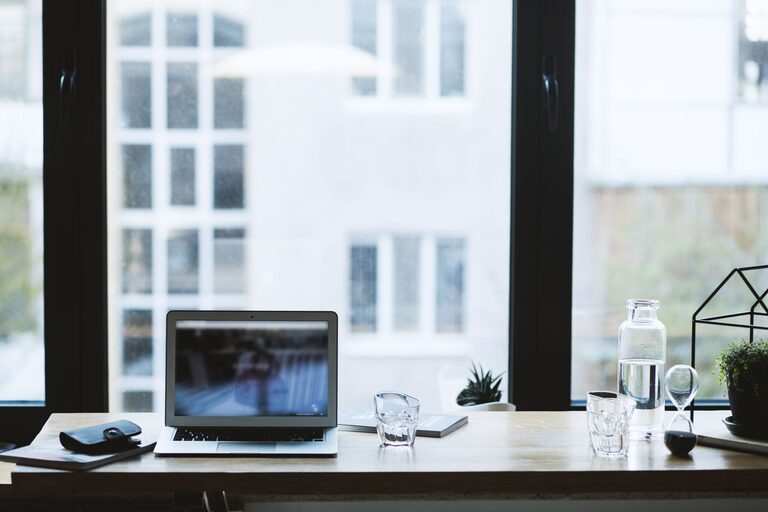
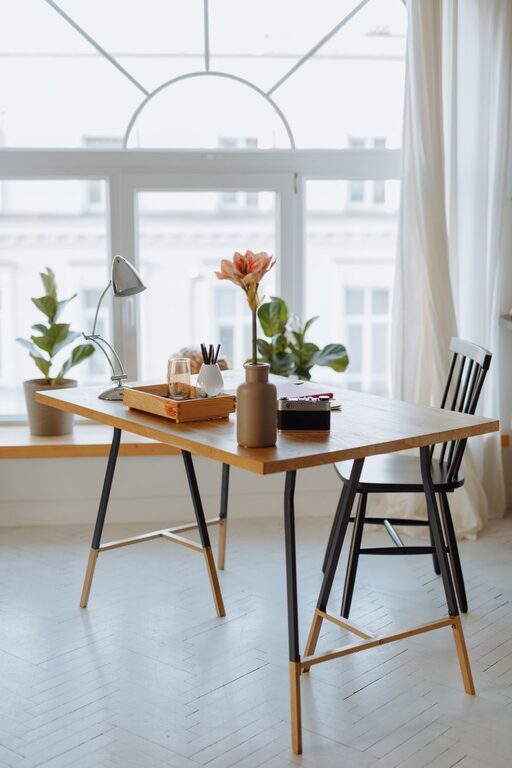
If possible, set up your workspace near a window to take advantage of natural light. Sunlight not only brightens the room but also helps improve mood and productivity. Position your desk so the light doesn’t cause glare on your computer screen.
Limit Distractions
Find a quiet area with minimal foot traffic. Avoid placing your office near noisy spots like the kitchen or living room TV. This helps you concentrate and creates a more professional atmosphere.
Select Comfortable, Functional Furniture
Invest in a Good Chair
A comfortable chair is crucial since you may spend several hours seated. Look for adjustable chairs with good lumbar support to protect your posture and reduce fatigue.
Choose an Appropriate Desk
Your desk should be large enough to hold your essential items like a computer, notebooks, and other tools without feeling cluttered. Consider adjustable desks or standing desk options if you want flexibility.
Organize Your Space Wisely
Use Storage Solutions
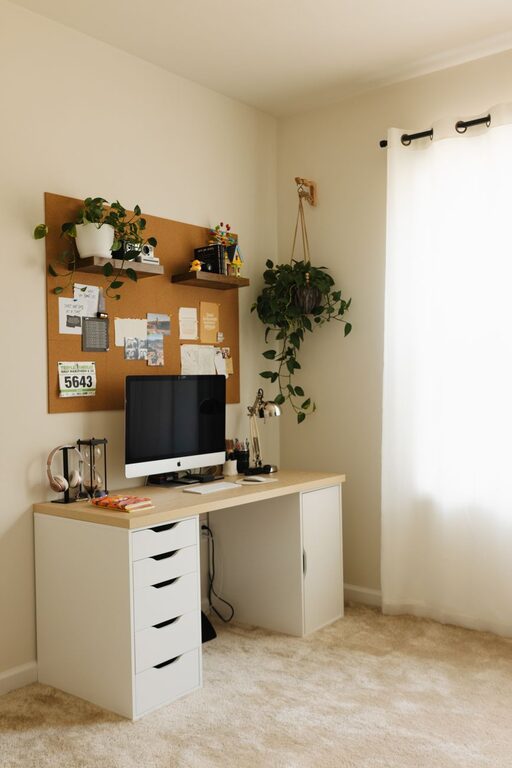
Keeping your office tidy can reduce stress and distraction. Use shelves, filing cabinets, or baskets to organize paperwork, office supplies, and gadgets.
Declutter Regularly
Set aside a few minutes each day or week to clear your desk and put things back in their place. A clutter-free environment helps maintain a clear mind.
Add Warm and Personal Touches
Soft Textiles
Introduce cozy elements such as area rugs, throw blankets, or cushions. These items add warmth to the room and invite relaxation during breaks.
Personal Decor
Display a few photos, artwork, or plants that make the area feel inviting and reflect your personality. Plants, in particular, improve air quality and add a natural vibe.
Focus on Lighting
Layer Your Lighting
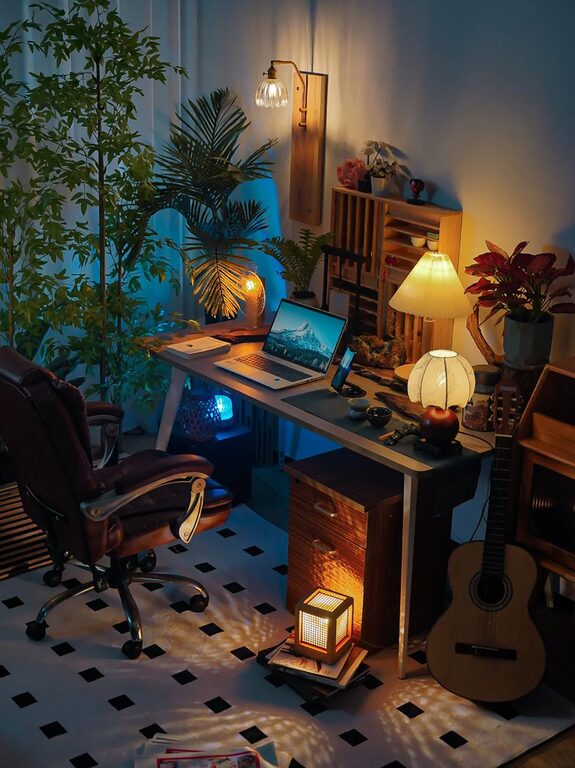
Combine ambient lighting (like ceiling lights) with task lighting (desk lamps) to eliminate eye strain. Choose bulbs with warm tones rather than harsh white light for a softer atmosphere.
Avoid Glare
Position monitors and light sources carefully to prevent glare on screens. Adjustable lamps allow you to direct light exactly where you need it.
Create Zones for Different Activities
Work and Relaxation Areas
If space allows, separate your work zone from a small relaxation corner. This could be a comfy chair or a small sofa where you can take breaks and recharge.
Meeting or Collaboration Space
For those who often collaborate virtually or host clients, having a separate spot to meet or brainstorm can be valuable.
Maintain Good Air Quality and Temperature
Ventilation
Ensure your workspace is well-ventilated. Fresh air helps you stay alert and comfortable.
Temperature Control
Adjust the room temperature to your liking with fans, heaters, or air conditioners as needed. Being too hot or cold can distract from work.
Minimize Noise
Soundproofing
Use rugs, curtains, or acoustic panels to absorb sound if your home is noisy.
Background Music
Playing soft background music or white noise can help some people stay focused and block out distracting sounds.
Technology and Connectivity
Reliable Internet
Make sure your home office has a strong and stable internet connection to avoid disruptions during calls or online work.
Cable Management
Use cable organizers to keep cords neat and reduce clutter. Tangled wires can be an eyesore and make cleaning difficult.
Set Boundaries and Routine
Define Your Work Hours
Treat your home office as a real workspace by setting clear work hours. This helps prevent burnout and maintains a healthy work-life balance.
End-of-Day Ritual
Create a routine to “close” your office at the end of the day, like shutting your laptop, tidying up, and turning off lights. This signals your brain that work is done.
—
With thoughtful planning and a few personal touches, your home office can become a cozy, productive, and inviting sanctuary. Remember, your workspace should reflect your style and support your needs — making work feel less like a chore and more like a pleasure. Happy decorating!