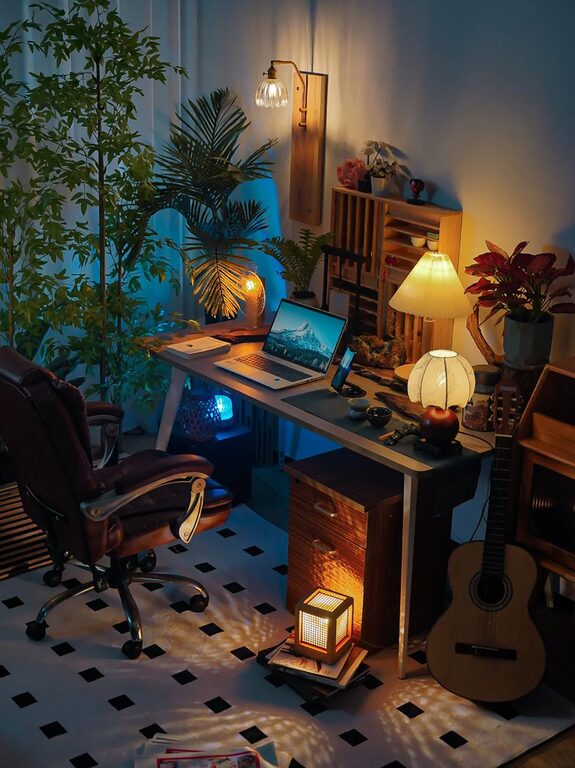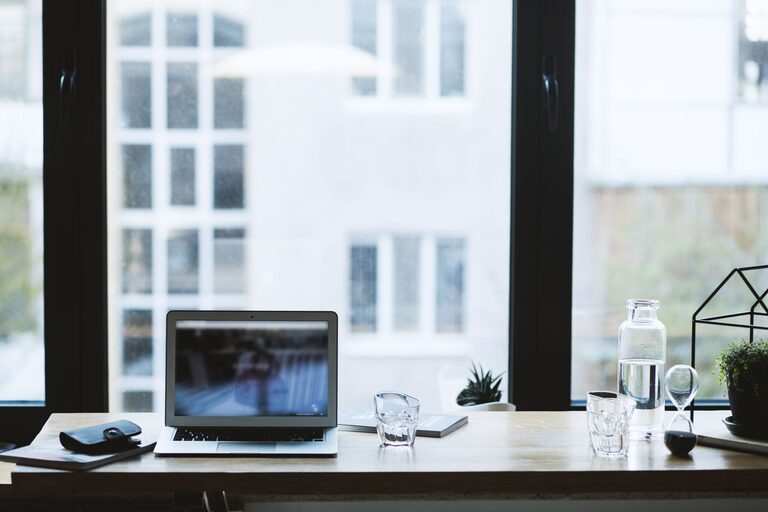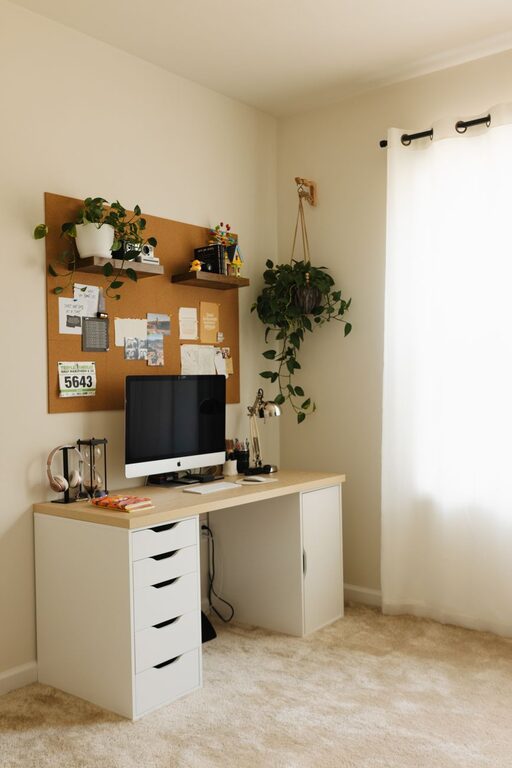
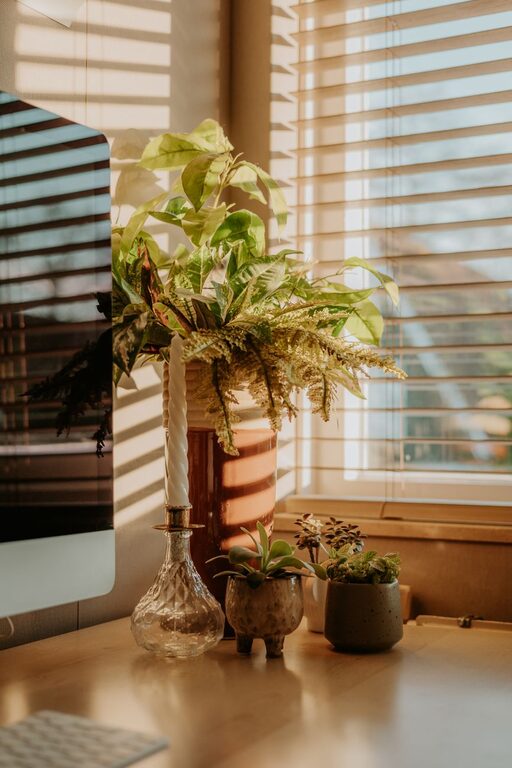
Creating a relaxing home workspace is essential for maintaining focus and reducing stress, especially when many of us spend significant time working from home. A calming environment not only improves productivity but also supports your well-being. In this post, we’ll explore simple tips to help you design a workspace that feels inviting and helps you stay motivated throughout the day.
Choose the Right Location
The first step in creating a relaxing workspace is picking the right spot in your home. Ideally, select a quiet area with minimal distractions where you can separate work from your daily life.
– Natural light: Position your desk near a window if possible. Natural light can improve mood and reduce eye strain.
– Away from noise: Avoid high-traffic areas like kitchens or living rooms where noise may disrupt your focus.
– Space enough for essentials: Make sure there is enough room for your computer, supplies, and personal items without cluttering the area.
Invest in Comfortable Furniture
Comfort is key to creating a workspace you want to spend time in. Choosing ergonomic furniture can help you work longer without discomfort.
– Ergonomic chair: Look for one that supports the natural curve of your spine and allows you to sit with your feet flat on the floor.
– Adjustable desk: Standing desks or desks with adjustable height options can give you flexibility to change your posture throughout the day.
– Supportive accessories: Consider a footrest, wrist rests, or a monitor stand to keep your body aligned and reduce strain.
Keep the Space Organized
An organized workspace promotes a calm mind and helps you focus on tasks. Clutter can be distracting and add to your stress.
– Storage solutions: Use shelves, drawers, or baskets to store supplies and papers neatly out of sight.
– Minimalist approach: Keep only items you need close at hand and remove anything that isn’t necessary for your work.
– Daily tidy-up: Spend a few minutes at the end of each day to clear your desk and set up for the next.
Personalize Your Workspace
Adding personal touches can make your workspace feel inviting and emotionally positive. However, it’s important to strike a balance to avoid clutter.
– Plants: Indoor plants bring life and freshness to a room and some studies suggest they can improve concentration.
– Artwork and photos: Choose calming images or pictures of loved ones to uplift your spirits.
– Color scheme: Use soothing colors, such as soft blues, greens, or neutrals, which are known to create a tranquil atmosphere.
Control Lighting and Noise
Good lighting and sound conditions are crucial for comfort and focus.
– Layered lighting: Combine general overhead lights with task lighting, like a desk lamp, to reduce eye strain.
– Adjust brightness: Use curtains or blinds to control natural light and avoid glare on your screen.
– Manage noise: If you can’t avoid background noise, try noise-canceling headphones or play soft instrumental music or nature sounds to mask distractions.
Encourage Regular Breaks and Movement
Sitting in one place for hours is tiring and unhealthy. Design your workspace to remind you to take breaks and move.
– Break timer: Use apps or alarms to remind yourself to stand up, stretch, or walk every hour.
– Space for movement: If possible, keep some room in your workspace for light exercises or stretching.
– Hydration reminder: Keep a water bottle nearby to stay hydrated and support your focus.
Embrace Technology Wisely
Technology can enhance your productivity but can also contribute to distractions if not managed well.
– Organize cables: Use cable organizers or clips to keep cords tidy and prevent a messy look.
– Declutter your desktop: Keep only essential software and shortcuts visible on your computer desktop.
– Use productivity tools: Apps that help manage tasks, block distractions, or set timers can support your workflow.
Maintain a Clean and Fresh Environment
A clean workspace supports a clear mind.
– Regular cleaning: Dust surfaces, vacuum or sweep the floor, and sanitize your keyboard and mouse regularly.
– Fresh air: Open windows occasionally to let fresh air in, or use an air purifier if needed.
– Pleasant scents: Consider a subtle air freshener or essential oil diffuser with relaxing scents like lavender or eucalyptus, but avoid overpowering fragrances.
—
By following these simple tips, you can create a relaxing home workspace that supports both your productivity and well-being. Remember, the best workspace is one tailored to your personal needs and preferences. Take time to make it your own and enjoy a more peaceful workday at home.